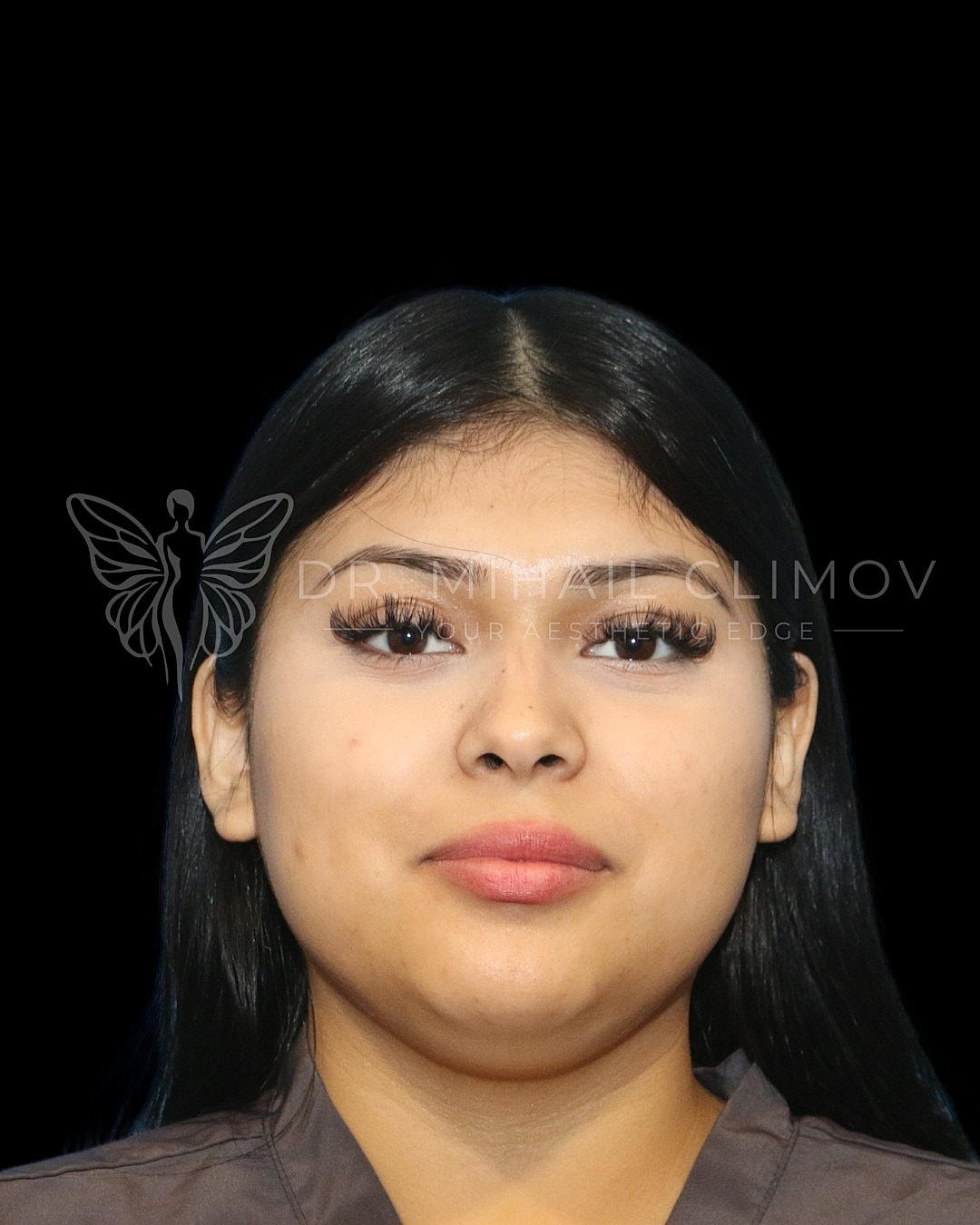
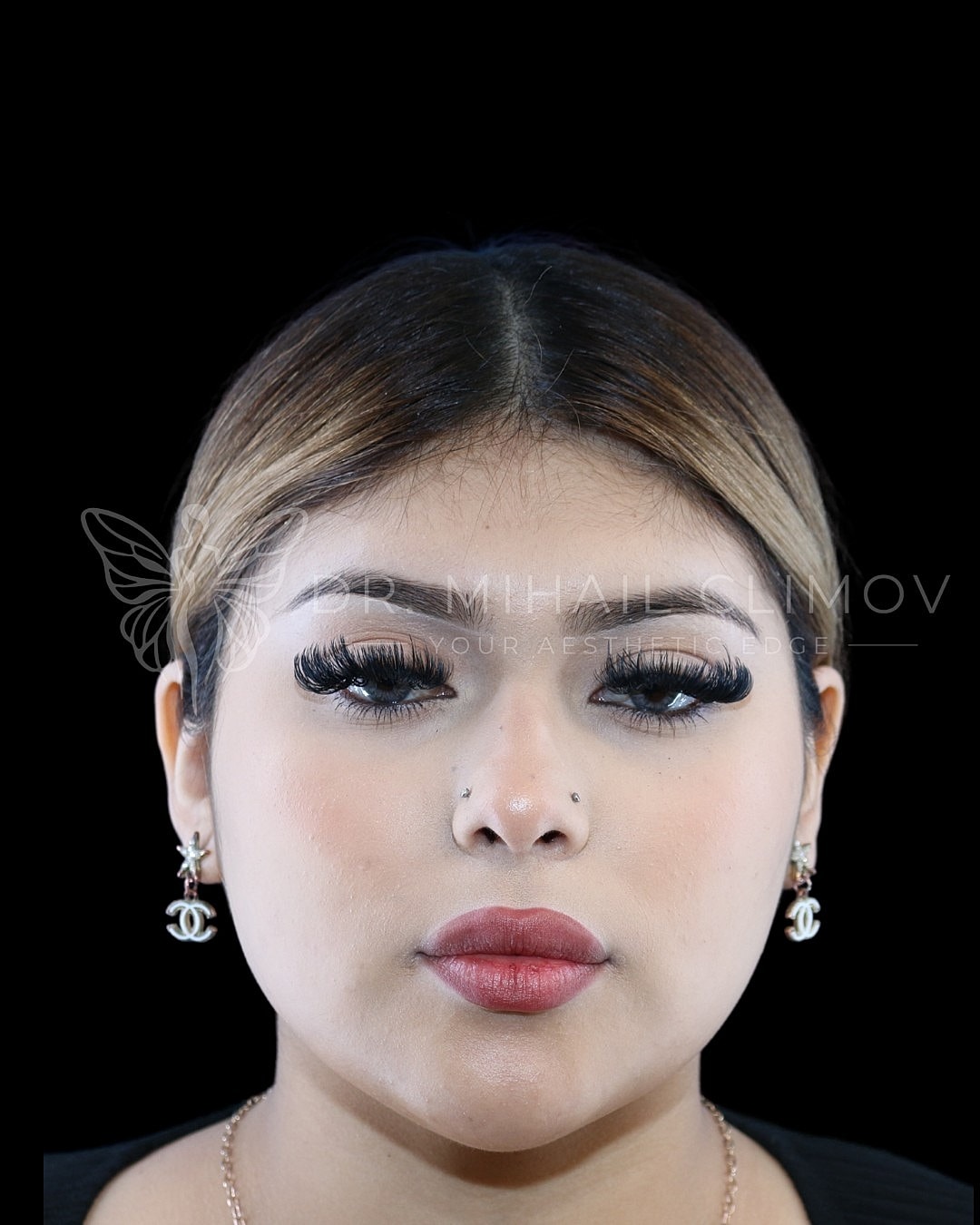
Buccal Fat Removal
Houston


Refine Your Facial Contours
Do you feel that your cheeks look overly full or round, even when you're at a healthy weight? Genetics can play a significant role in facial fullness, and sometimes diet and exercise cannot change the appearance of naturally prominent cheek fat pads.
At Your Aesthetic Edge in Houston, TX, we believe facial aesthetics should enhance your natural features while preserving balance and harmony.
Buccal fat removal, also known as cheek reduction surgery or buccal fat pad removal, is a cosmetic surgical procedure designed to reduce excess fullness in the lower cheeks. For carefully selected patients, it can create a slimmer, more defined facial appearance and enhance the visibility of the cheekbones.
Because facial volume plays an important role in how the face ages, buccal fat removal is not appropriate for everyone. A comprehensive consultation with a qualified surgical provider is essential to determine whether the procedure aligns with your facial anatomy and long-term aesthetic goals.
Ready to explore your facial contouring options?
Reflect Confidence Every Day
Buccal fat removal is a facial contouring surgery that reduces the volume of the buccal fat pads, which are naturally occurring pockets of fat located deep within the cheeks.
These fat pads contribute to the shape and fullness of the lower face. Some individuals have naturally larger buccal fat pads, creating a rounder or fuller facial appearance regardless of their overall body weight.
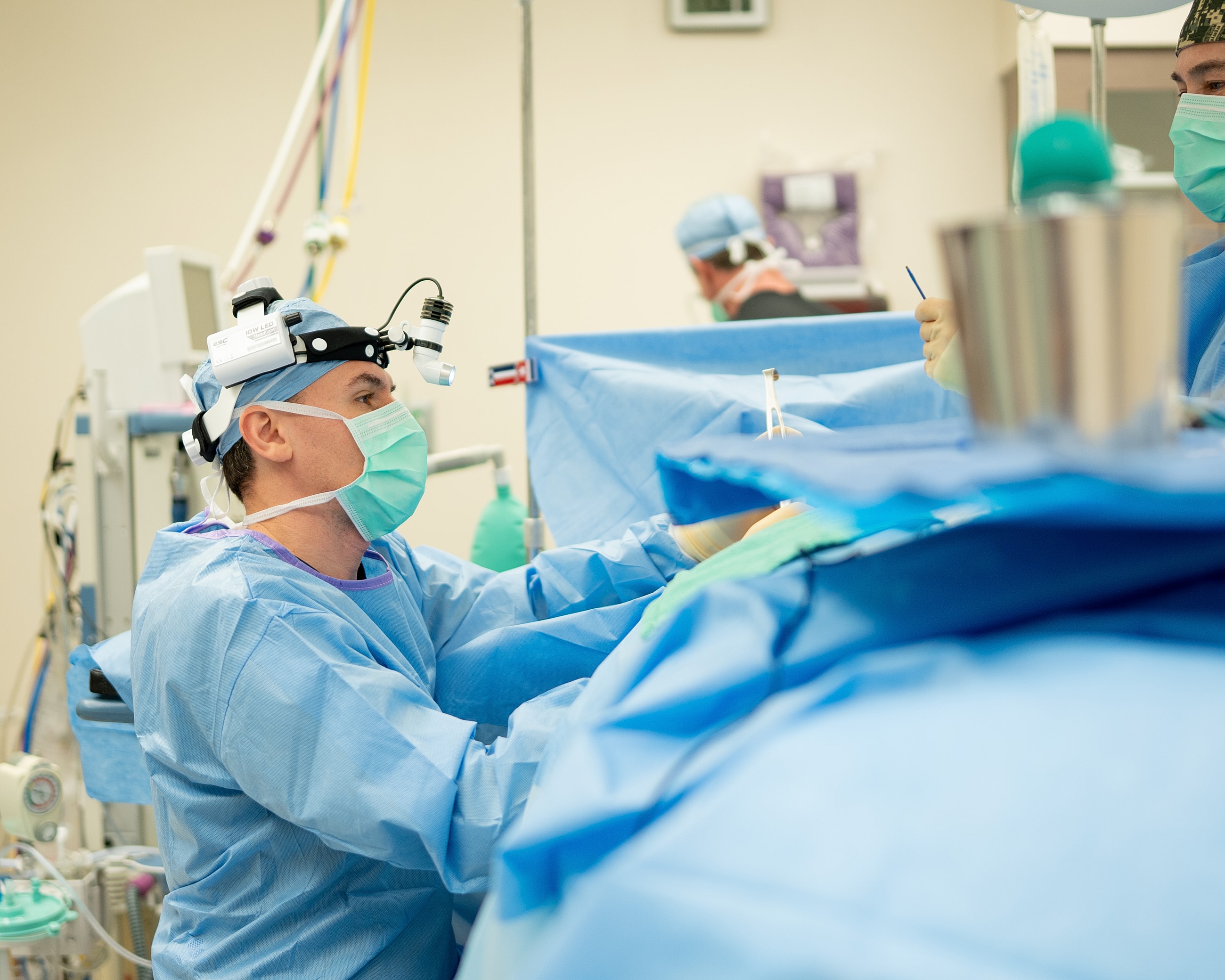
During buccal fat removal surgery, a qualified surgeon carefully removes a portion of this fat through small incisions inside the mouth.
The goal is to create a subtle transition between the cheekbones and lower cheeks, resulting in a more defined facial contour.
Unlike procedures that address excess skin or fat beneath the chin, buccal fat removal specifically targets fullness in the central-to-lower cheek area.

With buccal fat removal Houston candidates may discover it helps:
Results vary based on facial anatomy, the amount of fat removed, skin elasticity, and the natural aging process.
At Your Aesthetic Edge, the focus is on helping patients understand their options and pursue results that complement their individual features.


Full cheeks are often associated with youthfulness, but some adults prefer a more angular facial appearance.
Several factors contribute to cheek fullness, including genetics, facial bone structure, overall body fat distribution, and the size of the buccal fat pads.
While weight loss may reduce some facial fat, the buccal fat pads are distinct anatomical structures. Their size does not always change significantly with diet or exercise.
This explains why some individuals maintain a round facial appearance even at a stable, healthy weight.
However, not all facial fullness comes from buccal fat. Prominent cheek muscles, facial structure, and other fat compartments can also influence facial shape.
A professional evaluation is necessary to identify the cause of facial fullness and determine which treatment, if any, is appropriate.

Buccal fat removal is best suited for carefully selected adults who have naturally prominent lower-cheek fullness and sufficient facial volume to maintain balanced contours over time.
You may be a potential Houston buccal fat removal candidate if you:

Not everyone benefits from removing cheek fat.
Individuals with naturally narrow faces, prominent cheek hollows, or limited facial volume may be poor candidates.
Buccal fat removal also requires careful consideration in younger adults because facial fat distribution continues to change with maturity.
As people age, they naturally lose facial volume. Removing too much buccal fat can contribute to an overly hollow appearance that may become more noticeable over time.
For these reasons, a conservative approach and a thorough facial assessment are essential.
Your facial structure—not a passing beauty trend—should guide your treatment decisions.
Buccal fat removal is typically performed as an outpatient surgical procedure.
Although the exact technique varies depending on the surgeon and individual anatomy, the process generally includes the following steps.
Step 1: Personalized Facial Consultation
Before surgery, your provider evaluates your facial anatomy, medical history, aesthetic concerns, and treatment goals.
This assessment helps determine whether lower-cheek fullness is caused by prominent buccal fat pads and whether removing fat would produce an appropriate result.
Step 2: Anesthesia
Buccal fat removal may be performed using local anesthesia, sometimes with sedation, or another anesthesia approach based on the surgical plan.
Your surgeon will explain the recommended approach before treatment.
Step 3: Small Incisions Inside the Mouth
The surgeon makes a small incision along the inner lining of each cheek.
Because the incisions are located inside the mouth, the procedure generally does not leave visible external scars.
Step 4: Conservative Buccal Fat Removal
A portion of the buccal fat pad is carefully accessed and removed.
The amount removed depends on the patient's anatomy and desired outcome. Preserving sufficient facial volume is important for maintaining natural-looking contours.
Step 5: Incision Closure
The incisions are typically closed using dissolvable sutures.
Patients receive individualized aftercare instructions to support healing and reduce the risk of complications.

The goal of buccal fat removal is to improve facial contour by reducing fullness in the lower cheeks.
Depending on your natural anatomy, you may notice a more defined appearance beneath the cheekbones and a slimmer-looking mid-to-lower face.
However, the procedure does not create the same result for every patient.
Facial bone structure, skin thickness, existing facial volume, and the amount of fat removed all influence the final appearance.
Some patients experience a subtle improvement, while others notice a more visible change.

The portion of the buccal fat pad that is surgically removed does not normally regenerate.
As a result, buccal fat removal produces a long-lasting reduction in cheek volume.
However, the face continues to age, and changes in weight, skin elasticity, and other facial fat compartments can affect your appearance over time.
This is why thoughtful patient selection and conservative surgical planning are especially important.
1 of 1
Choosing where to begin your facial aesthetic journey is an important decision.
At Your Aesthetic Edge, we believe patients deserve personalized attention, clear information, and an aesthetic approach that respects their natural features.
Our philosophy centers on helping you make informed choices about your appearance while prioritizing facial harmony and long-term considerations.
Personalized Aesthetic Guidance
No two faces are identical. Your goals, facial anatomy, and concerns should guide every treatment discussion.
Natural-Looking Facial Balance
Facial contouring should complement your existing features rather than create an exaggerated or unnatural appearance.
Education Before Treatment
Understanding what a procedure can and cannot achieve is essential to making a confident decision.
A Focus on Long-Term Results
Because facial volume changes with age, we believe decisions about permanent fat removal deserve thoughtful consideration.
A Houston-Based Aesthetic Experience
Your Aesthetic Edge is committed to helping individuals in the Houston area explore aesthetic treatments and make informed decisions about their options.

One of the most common questions patients ask is:
How much does buccal fat removal cost in Houston?
The cost of buccal fat removal in Houston varies depending on several factors, including:
Because every patient's treatment plan is different, an accurate price requires an individualized consultation.
At Your Aesthetic Edge, we encourage patients to consider surgical qualifications, safety standards, and long-term aesthetic outcomes—not price alone—when evaluating facial cosmetic surgery.